
Marina Grize
Divine icons roam as lens
March 5, 2026 to April 18, 2026
Leipziger Straße 56-58, Berlin, Germany
Exhibition Text
“The past is not a husk yet change goes on
Freedom. It isn’t once, to walk out
under the Milky Way, feeling the rivers
of light, the fields of dark—
freedom is daily, prose-bound routine
remembering. Putting together, inch by inch
the starry worlds. From all the lost collections.”
– Adrienne Rich, “For Memory” (1979)
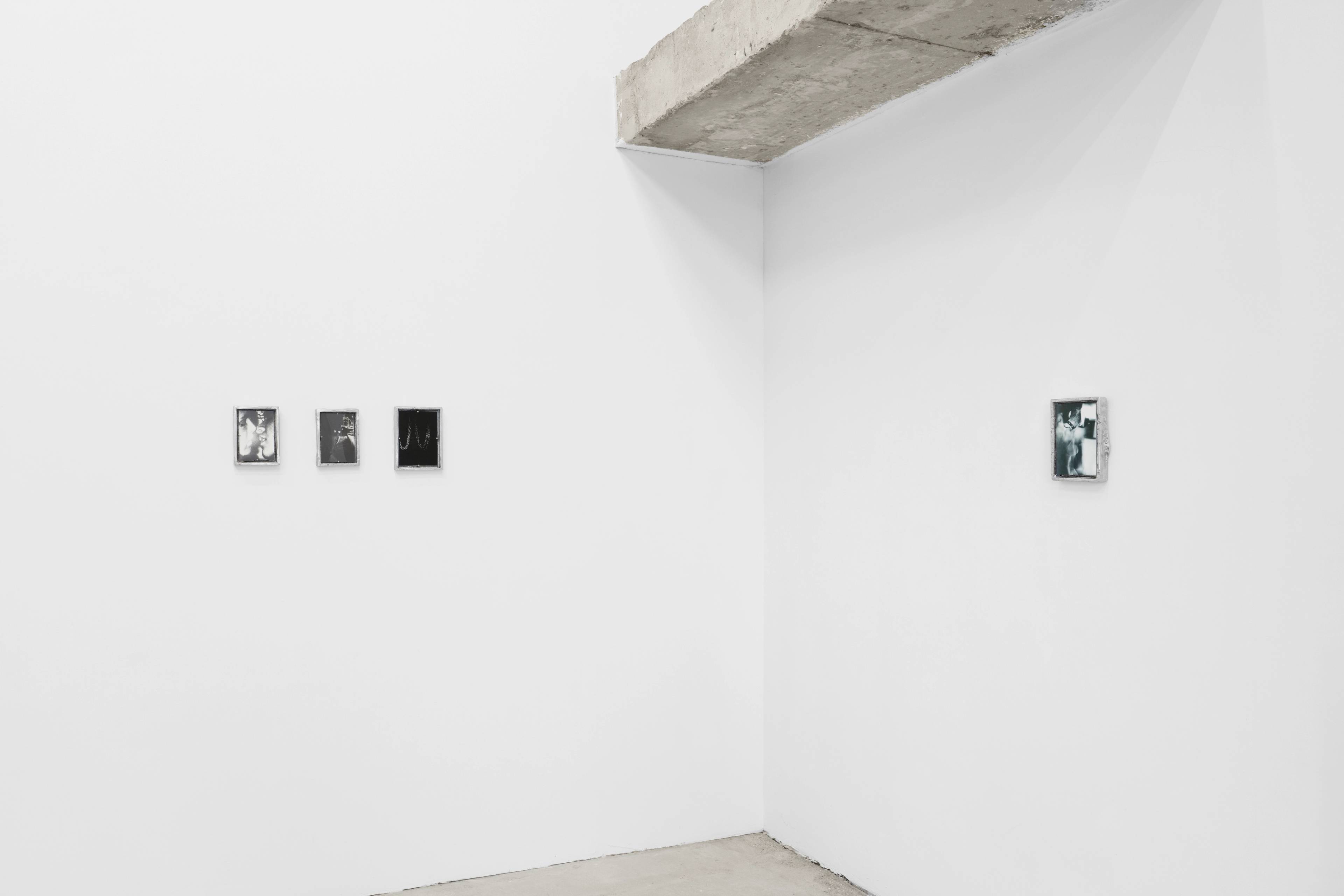
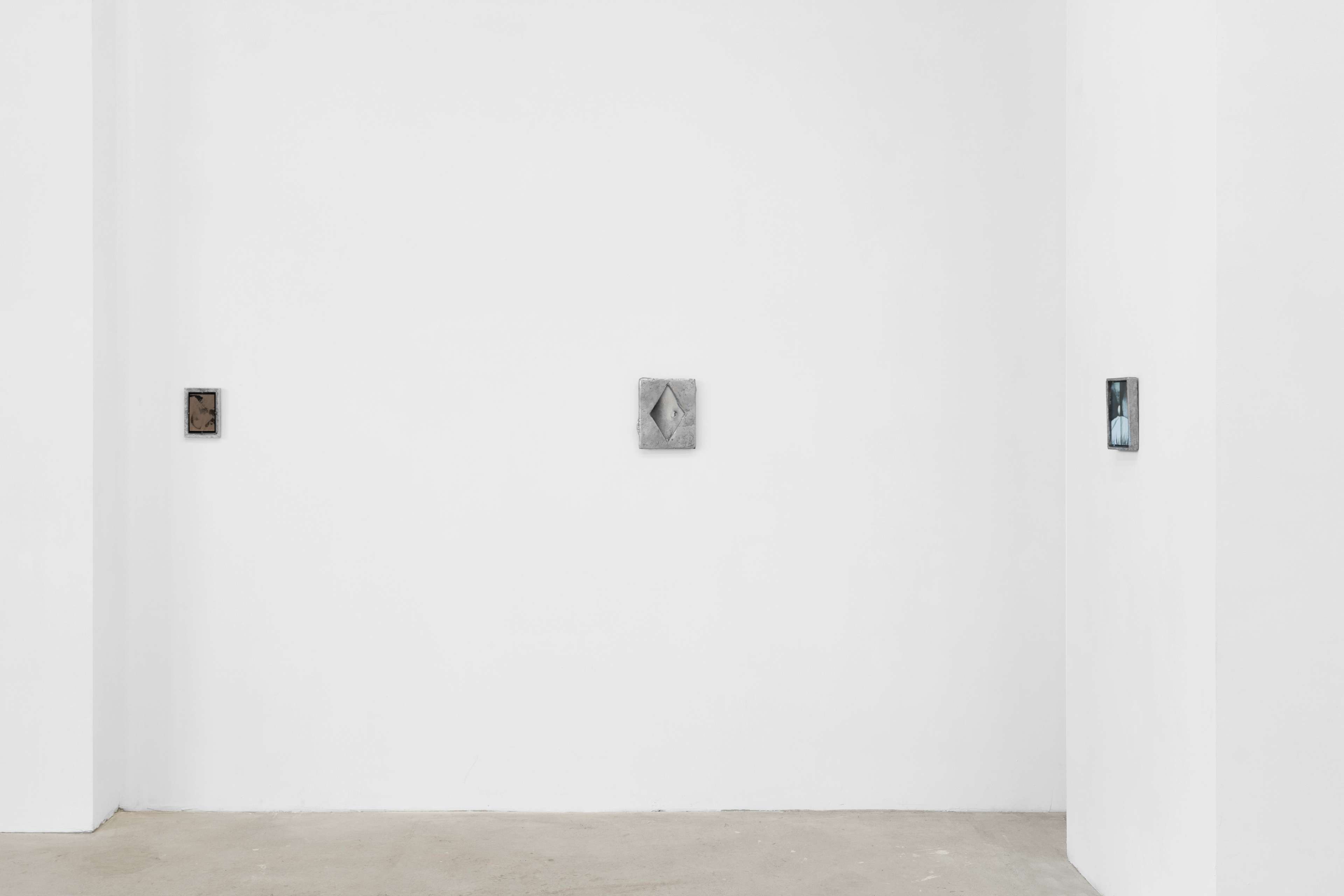
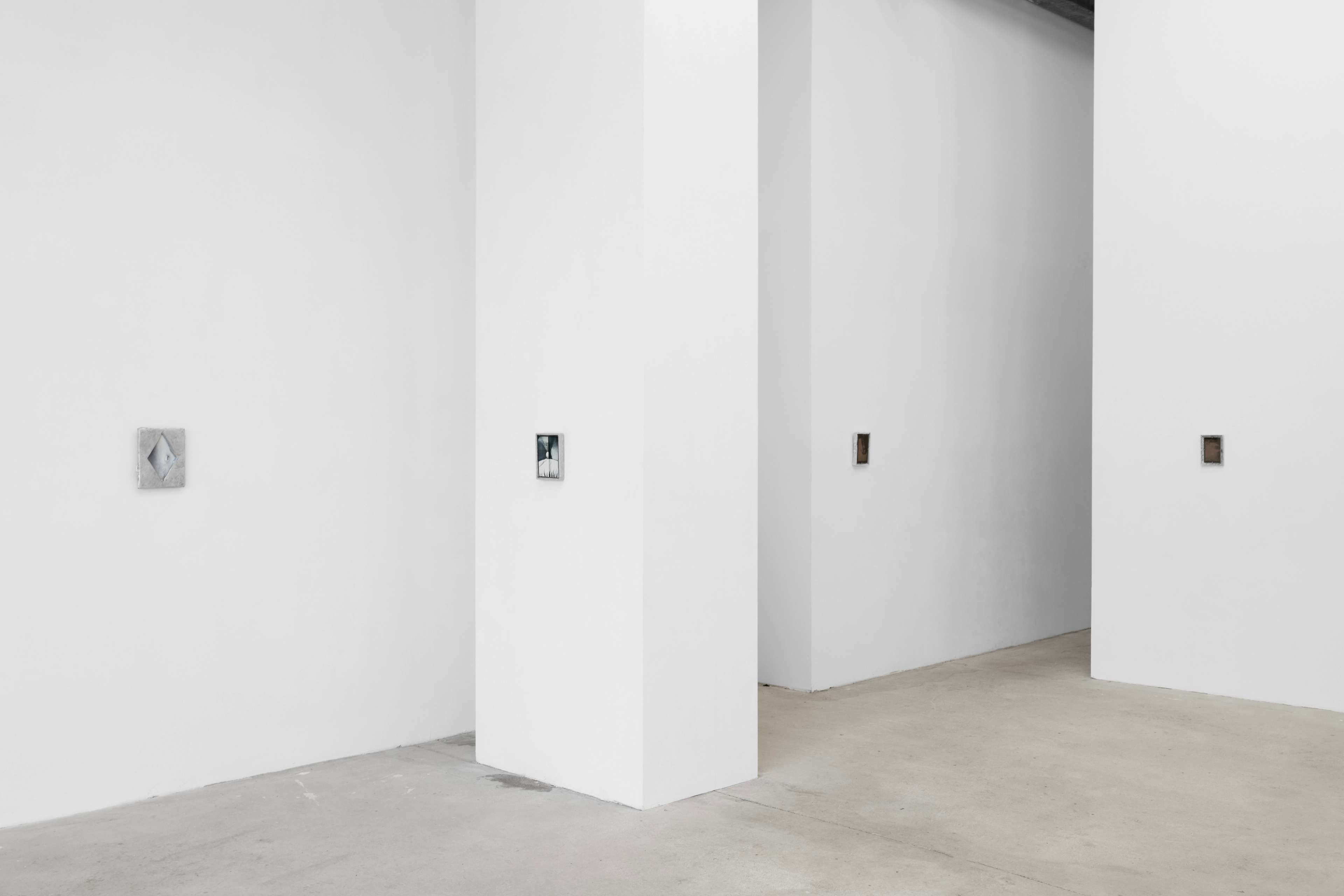
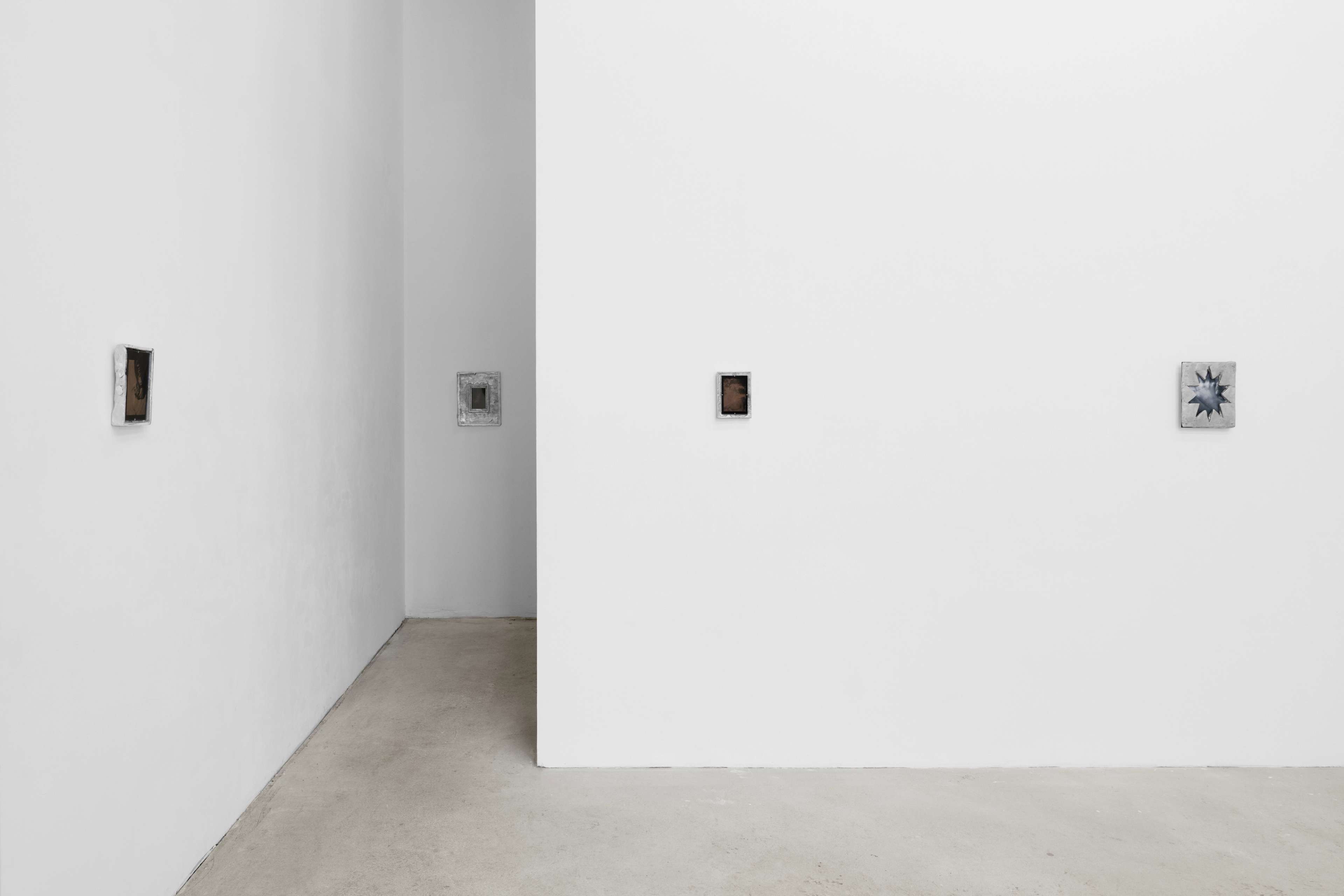
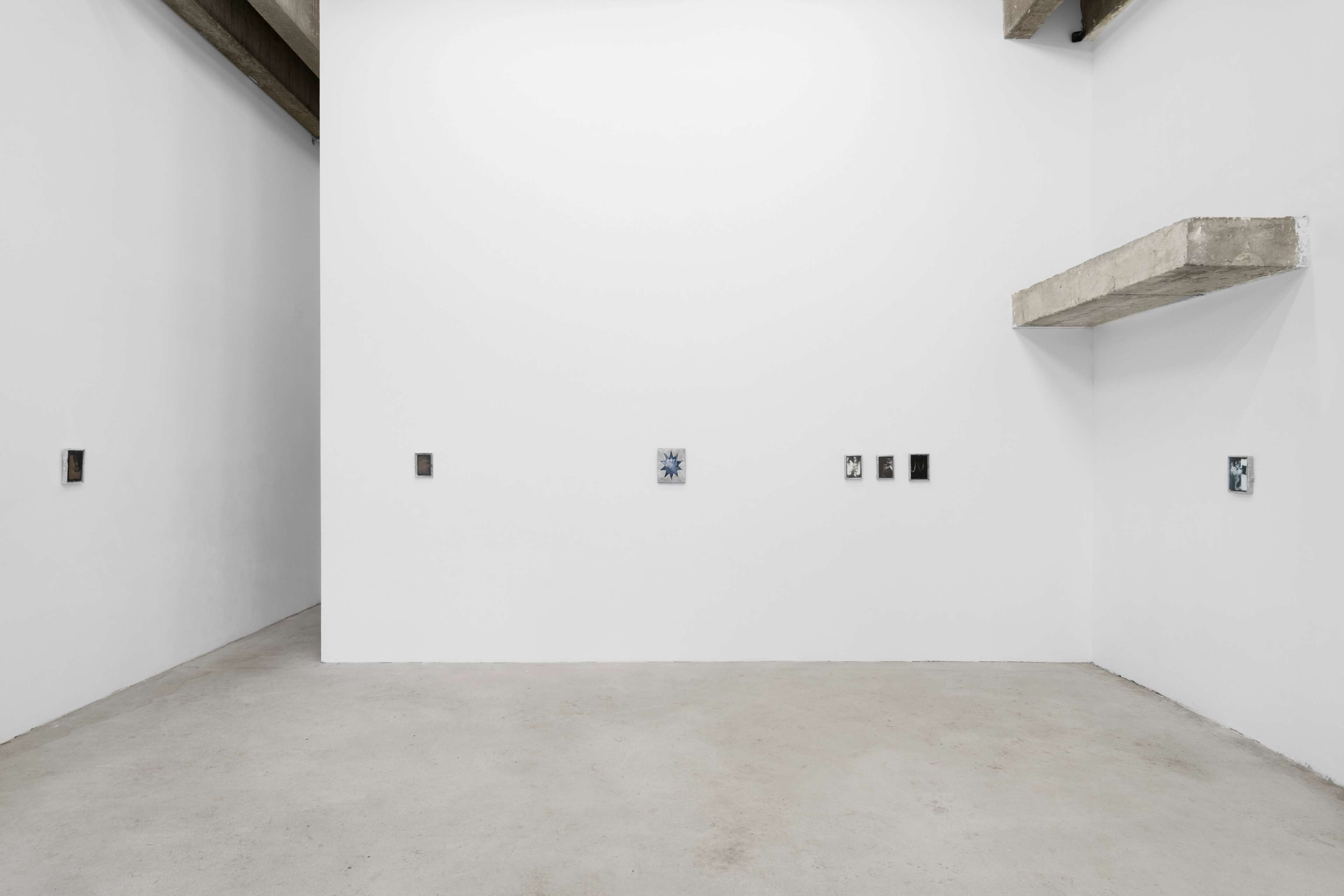
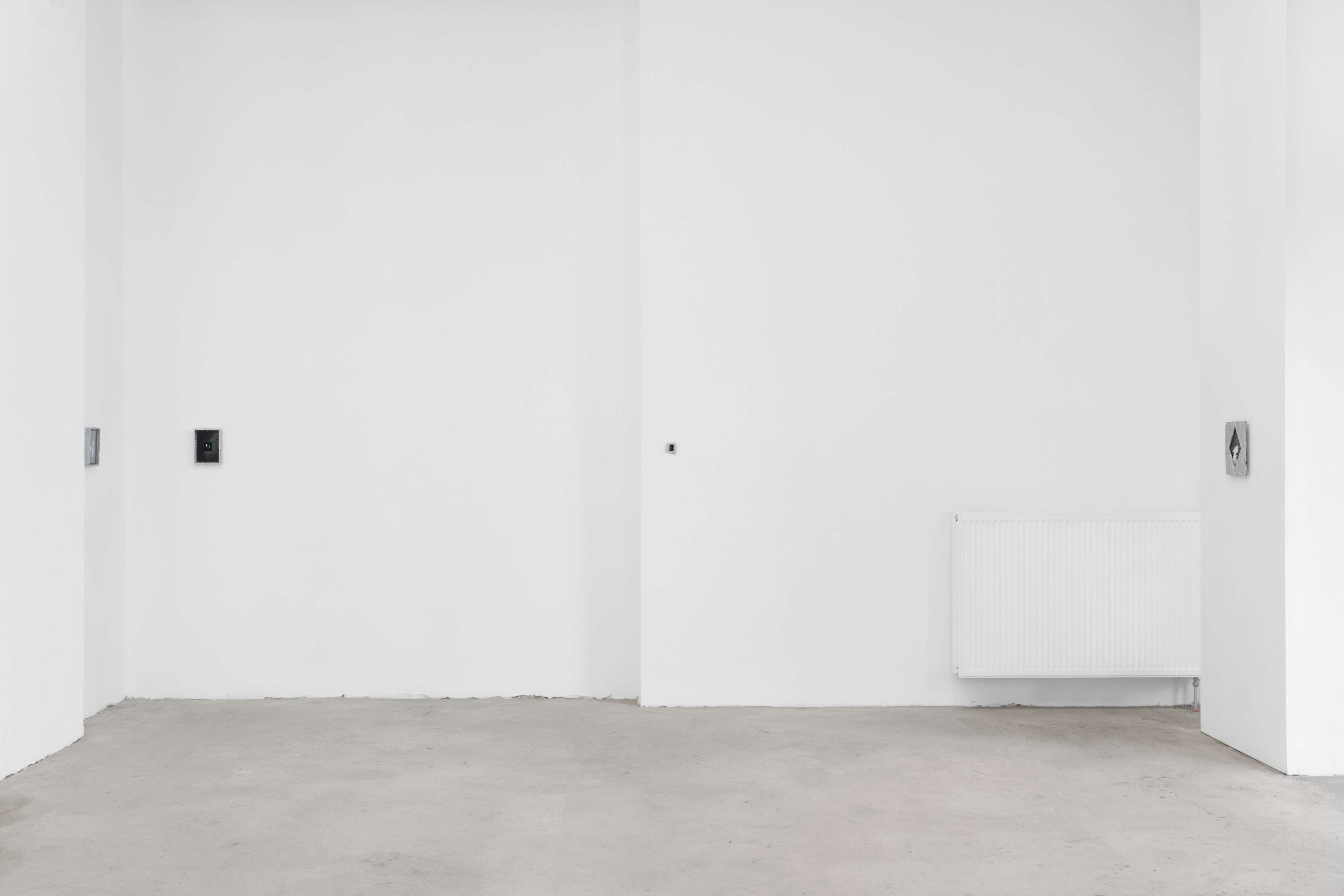
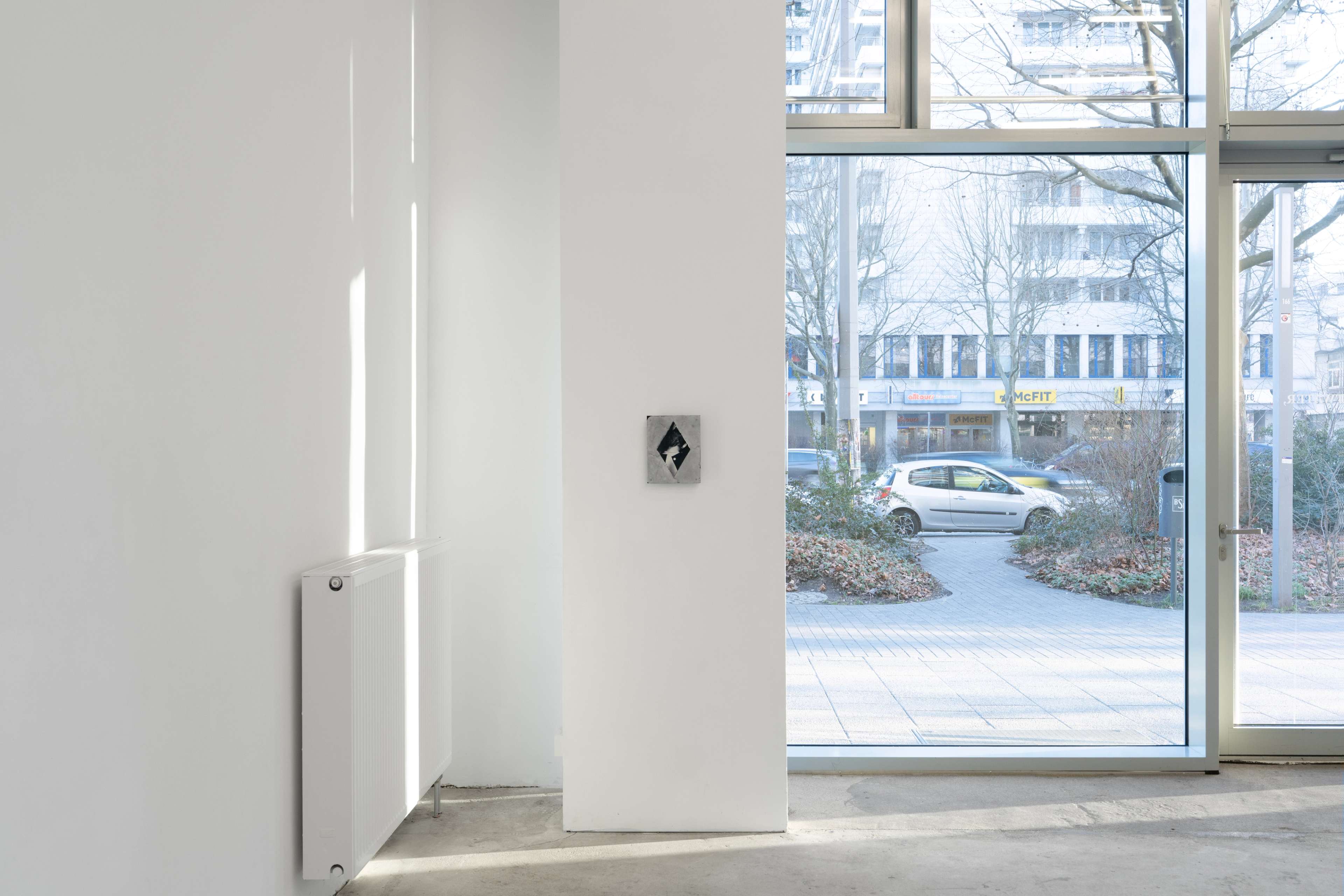
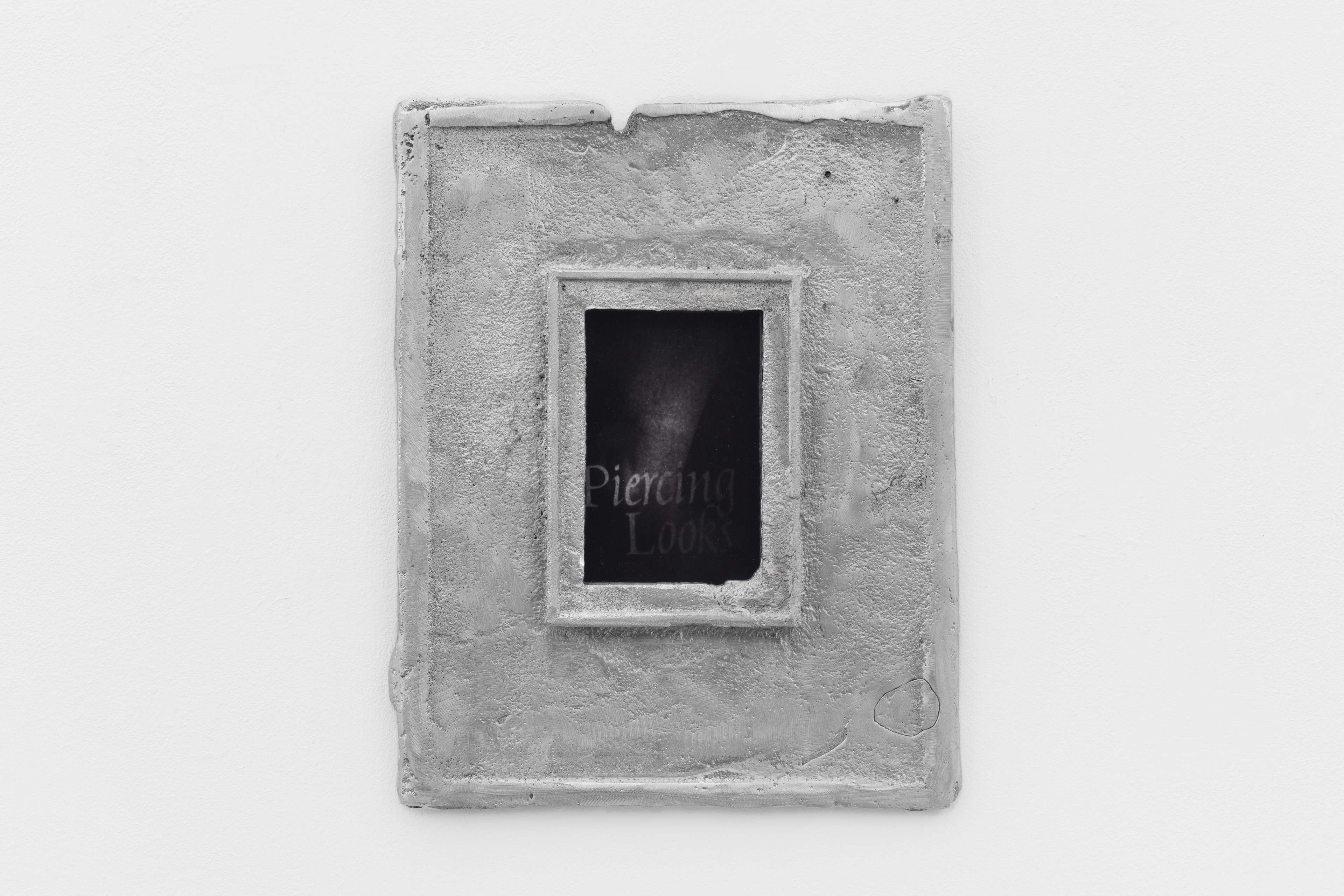
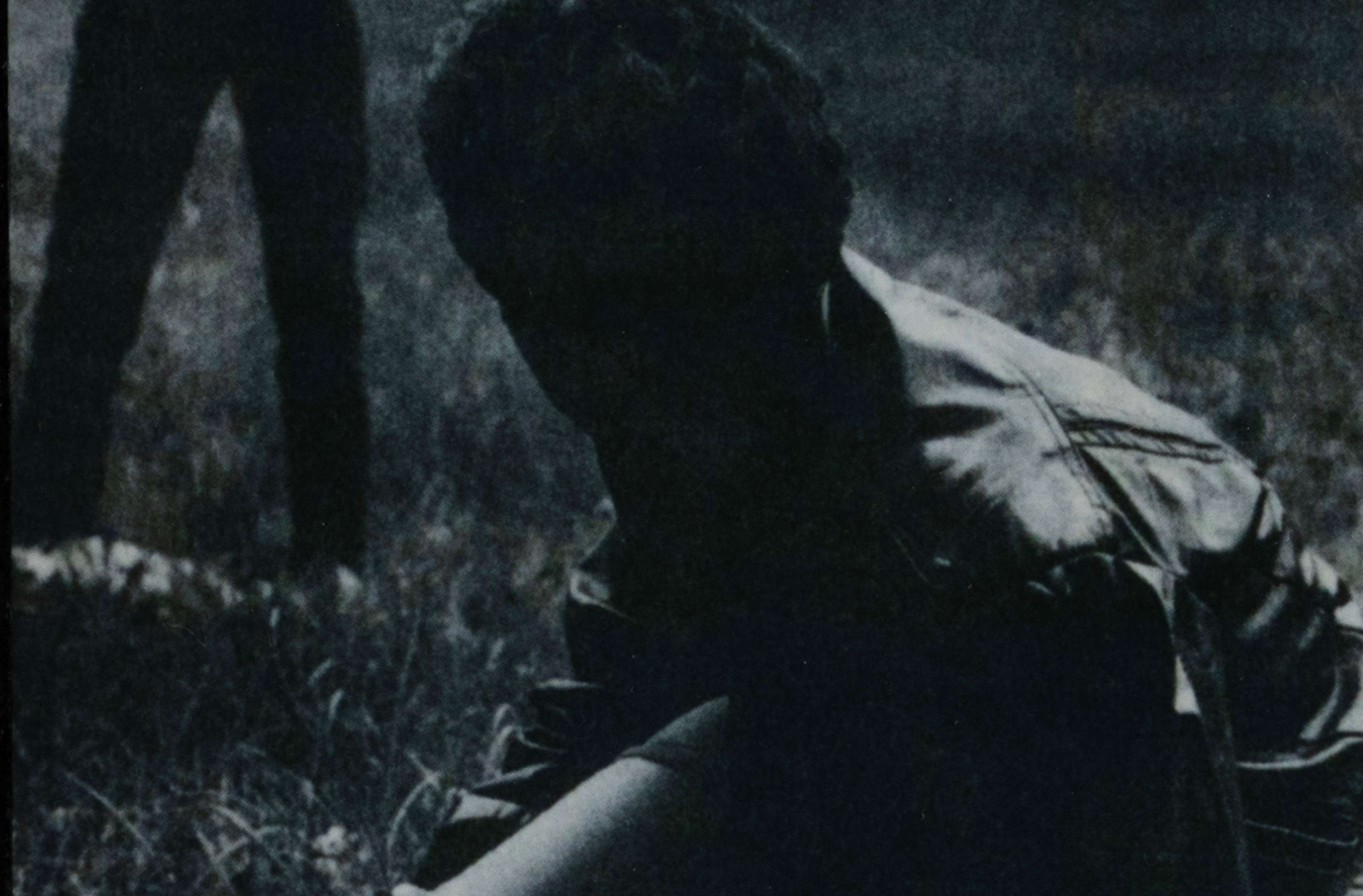
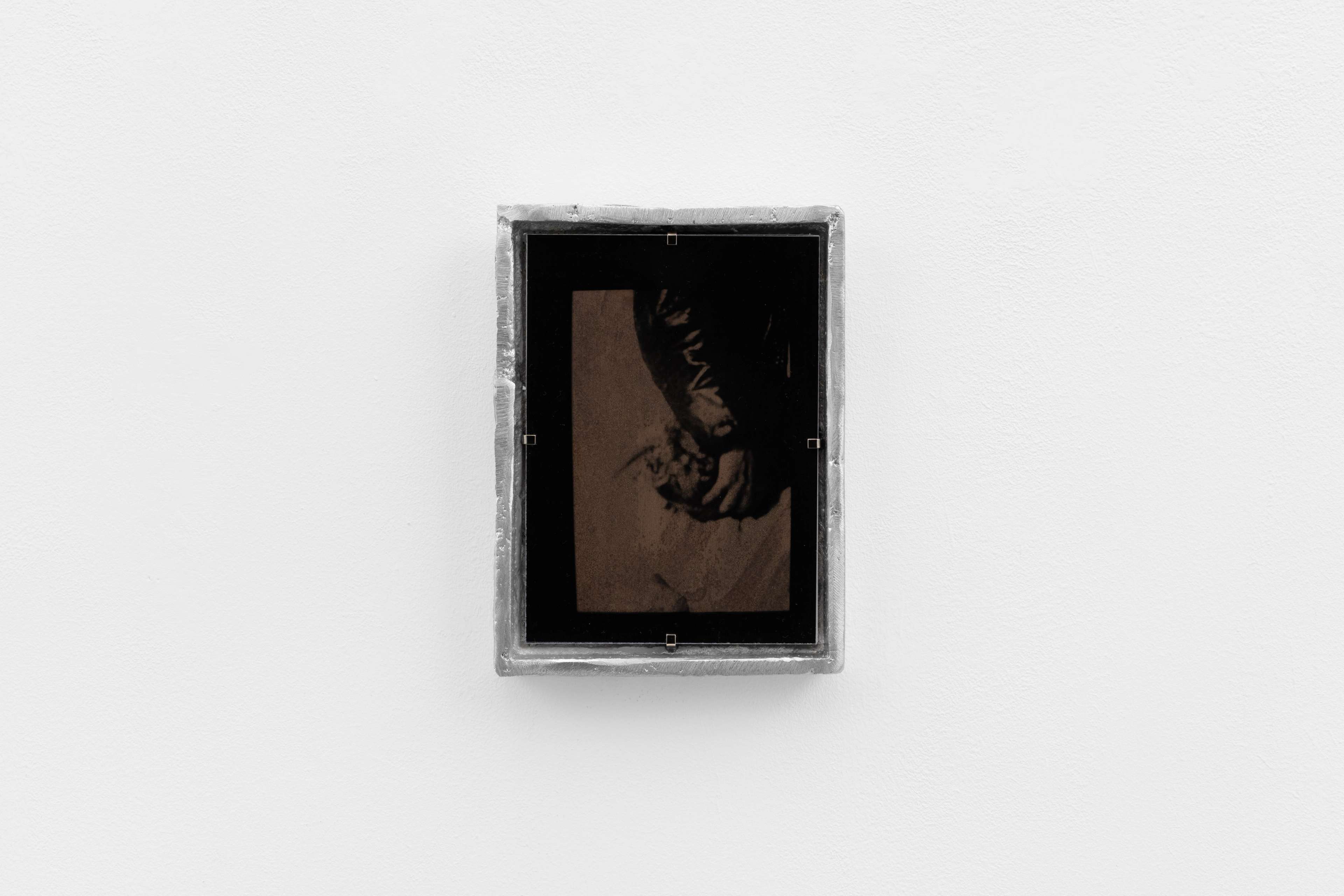
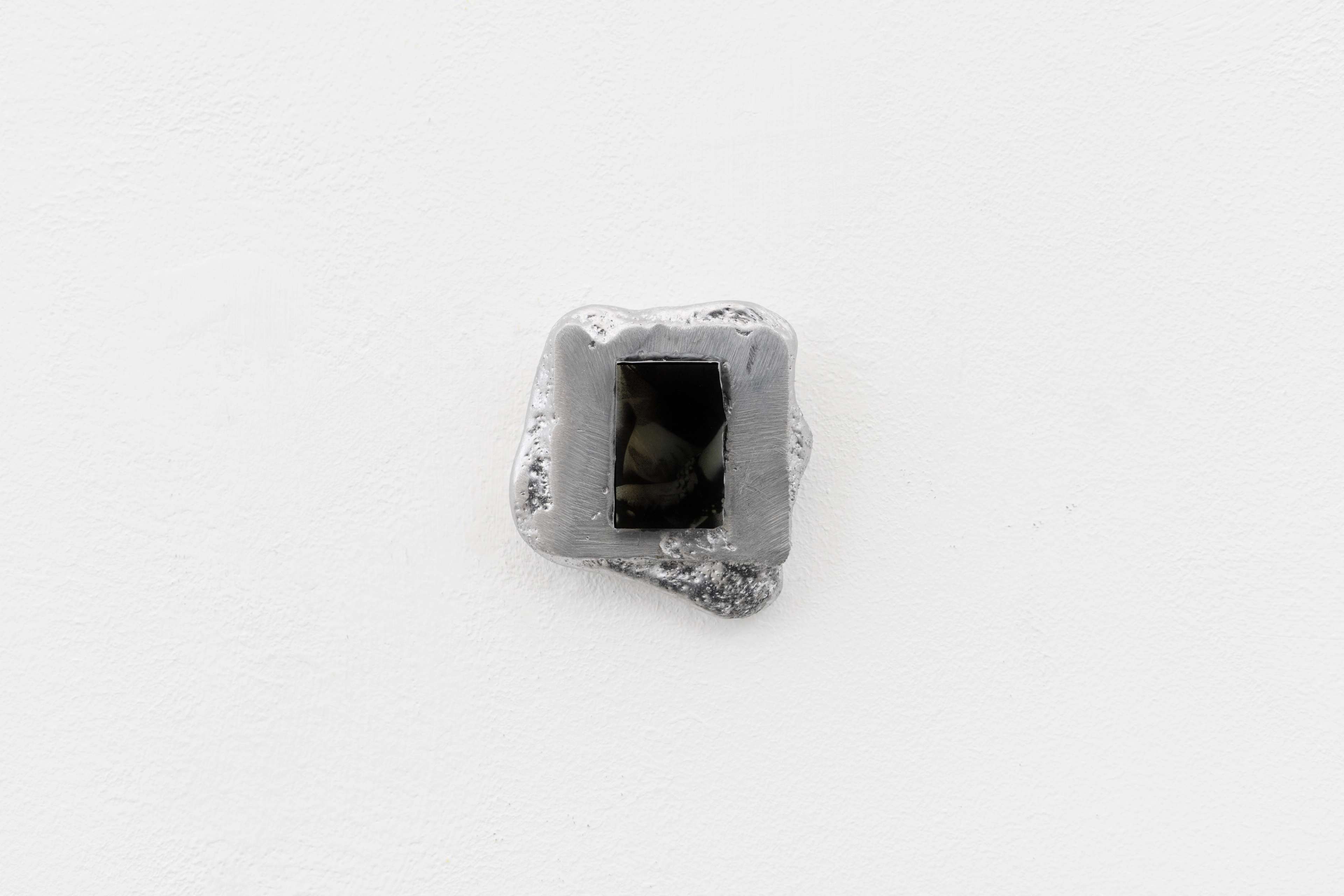
Divine icons roam as lens presents devotional objects rooted equally in lesbian history and the mnemonic materialities of photography and sculpture. Paying homage to lesbian communities in San Francisco during the 1980s, artist Marina Grize layers traces from the urban landscape with photographic images sourced from issues of the iconic lesbian erotic magazine On Our Backs between 1984 and 1989. The exhibition’s title is a near-anagram of “Valencia in Mission Dolores”—the names of the San Francisco street and neighborhood which were a center of lesbian community and activism in the 1980s.
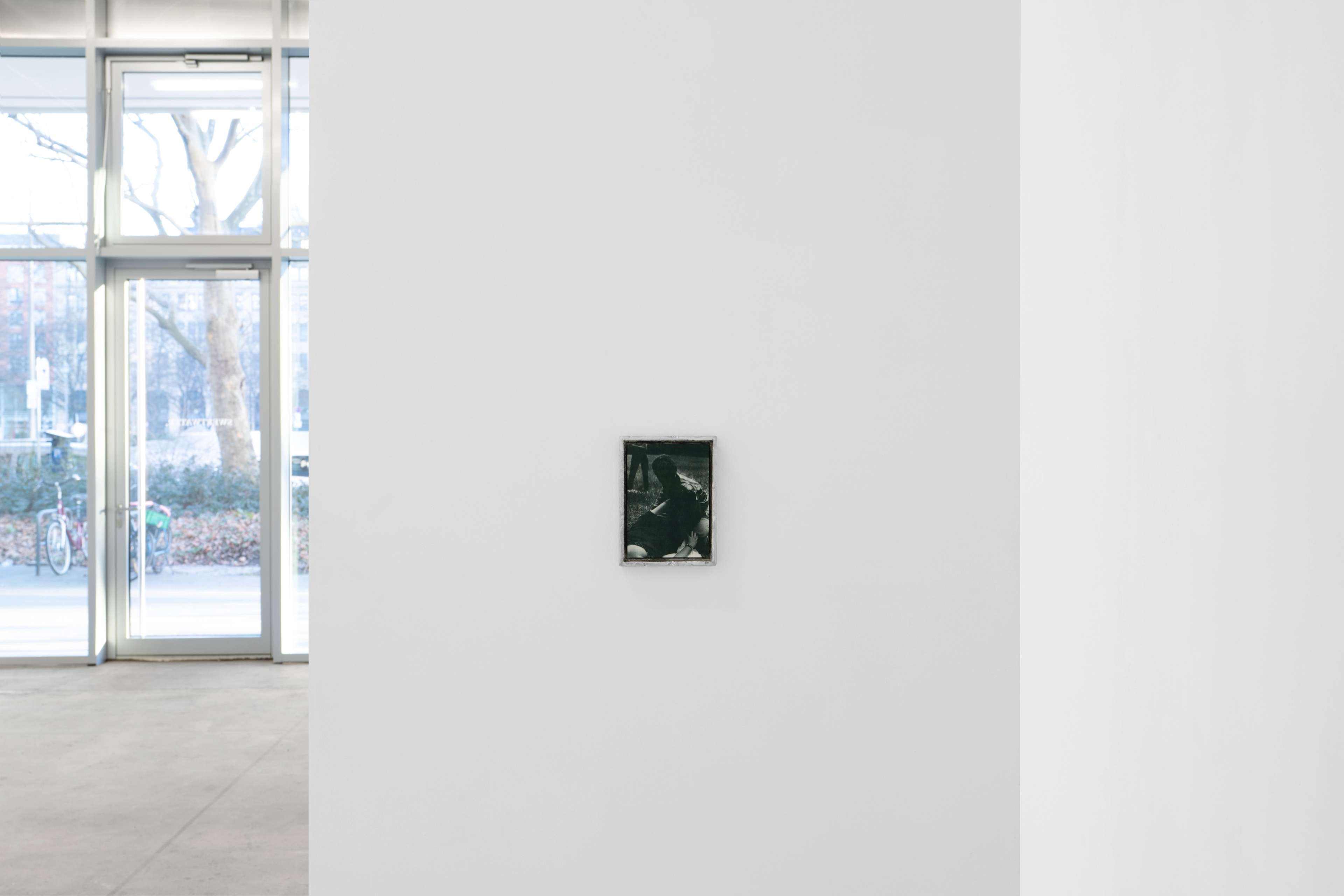
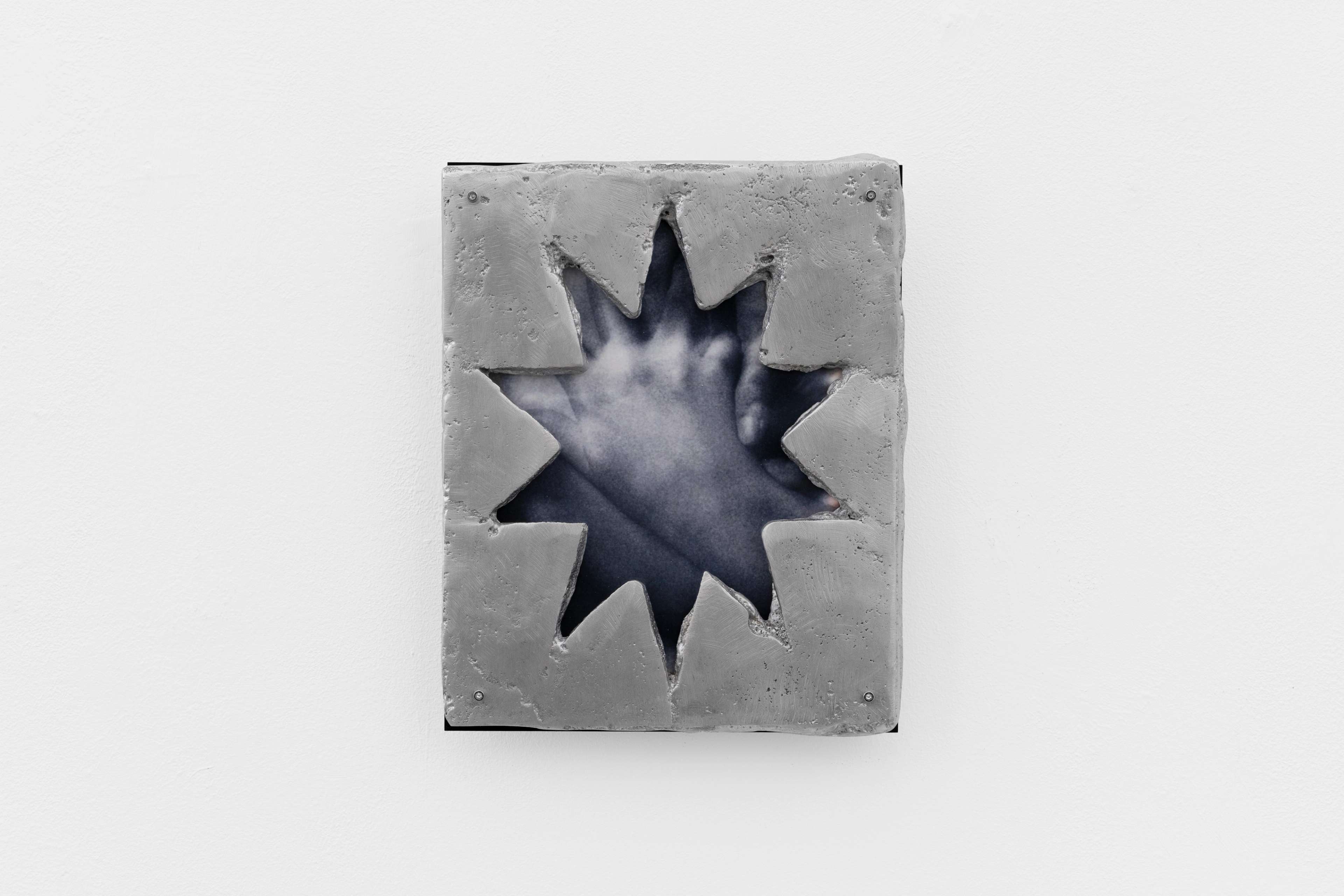
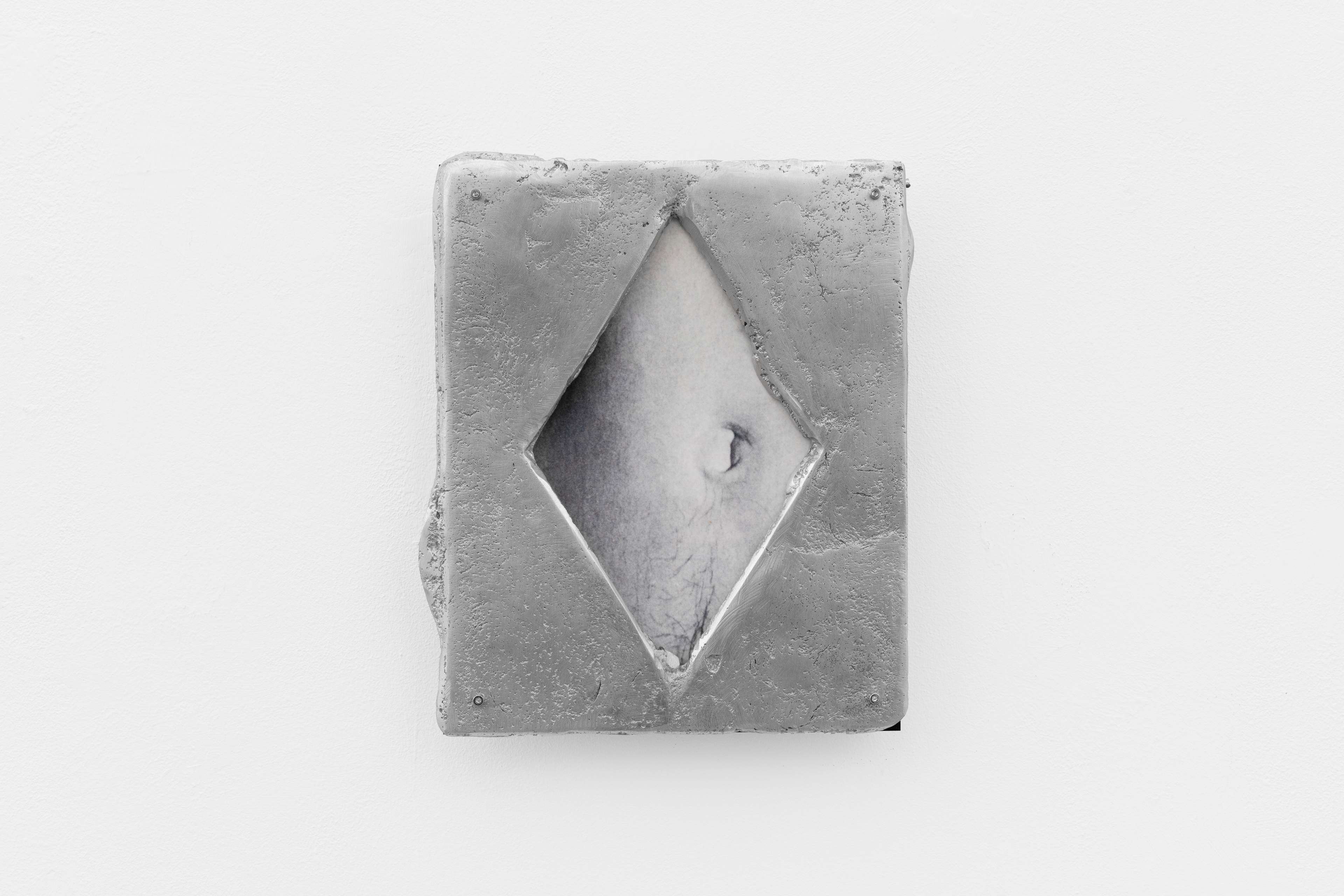
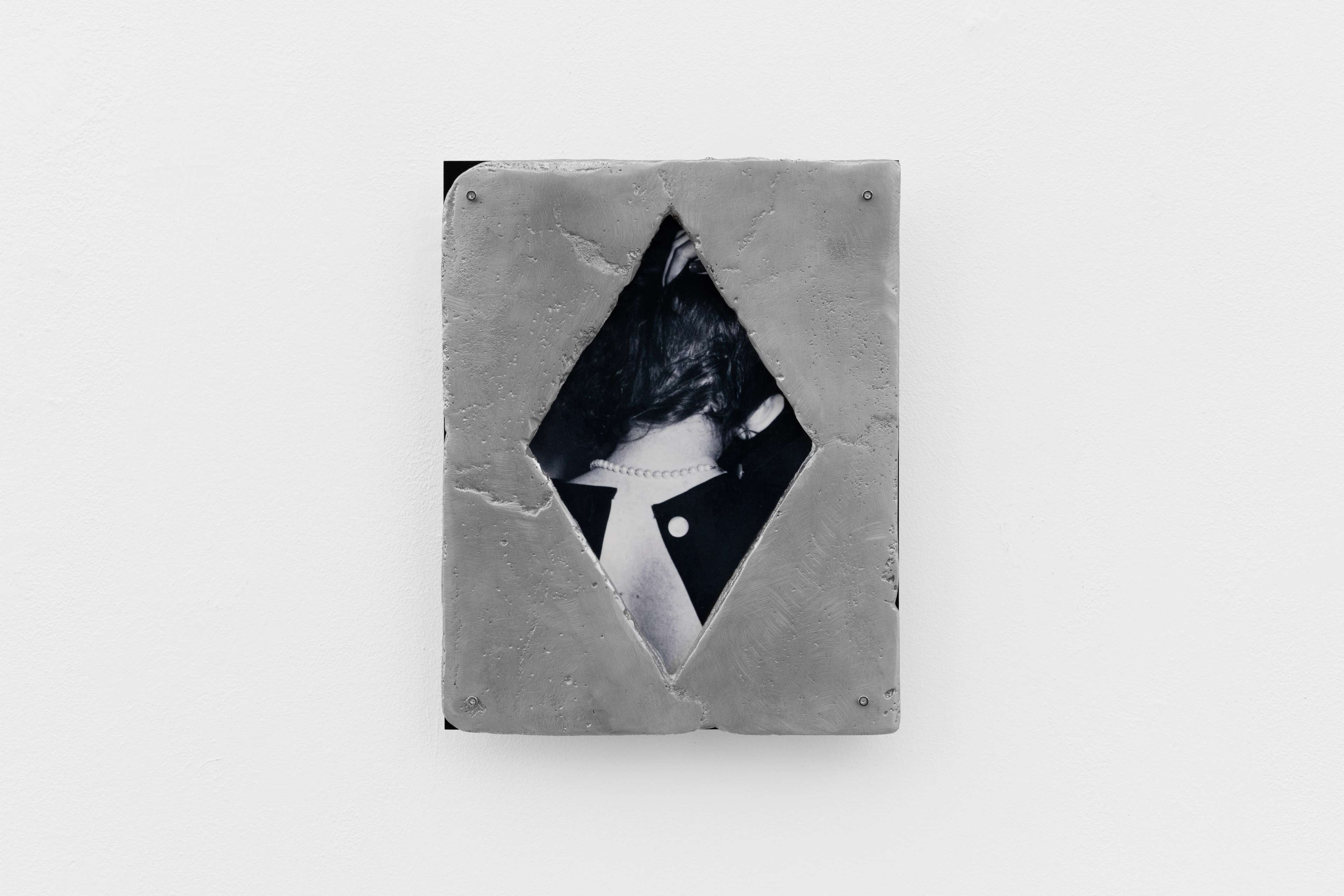
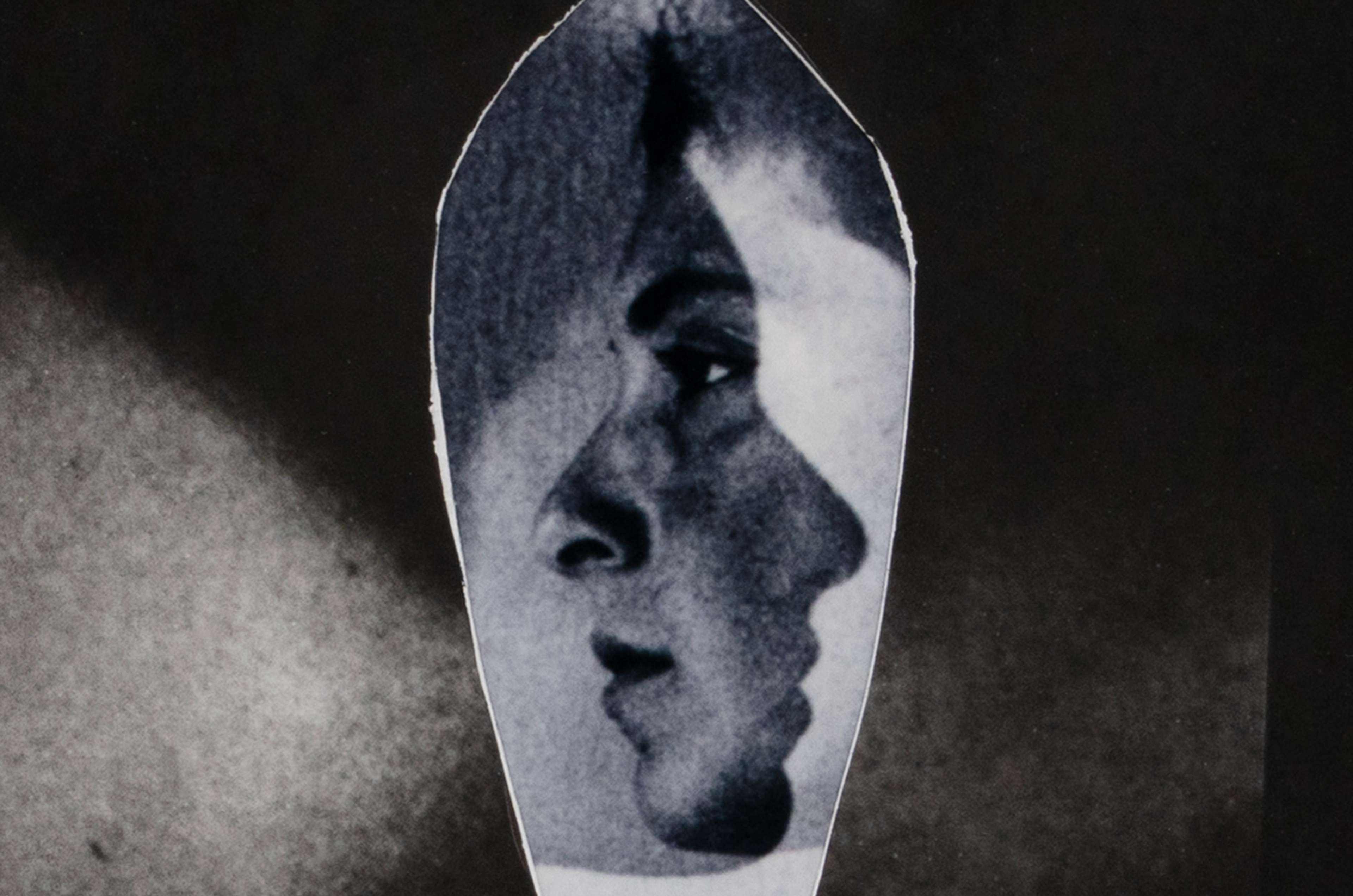
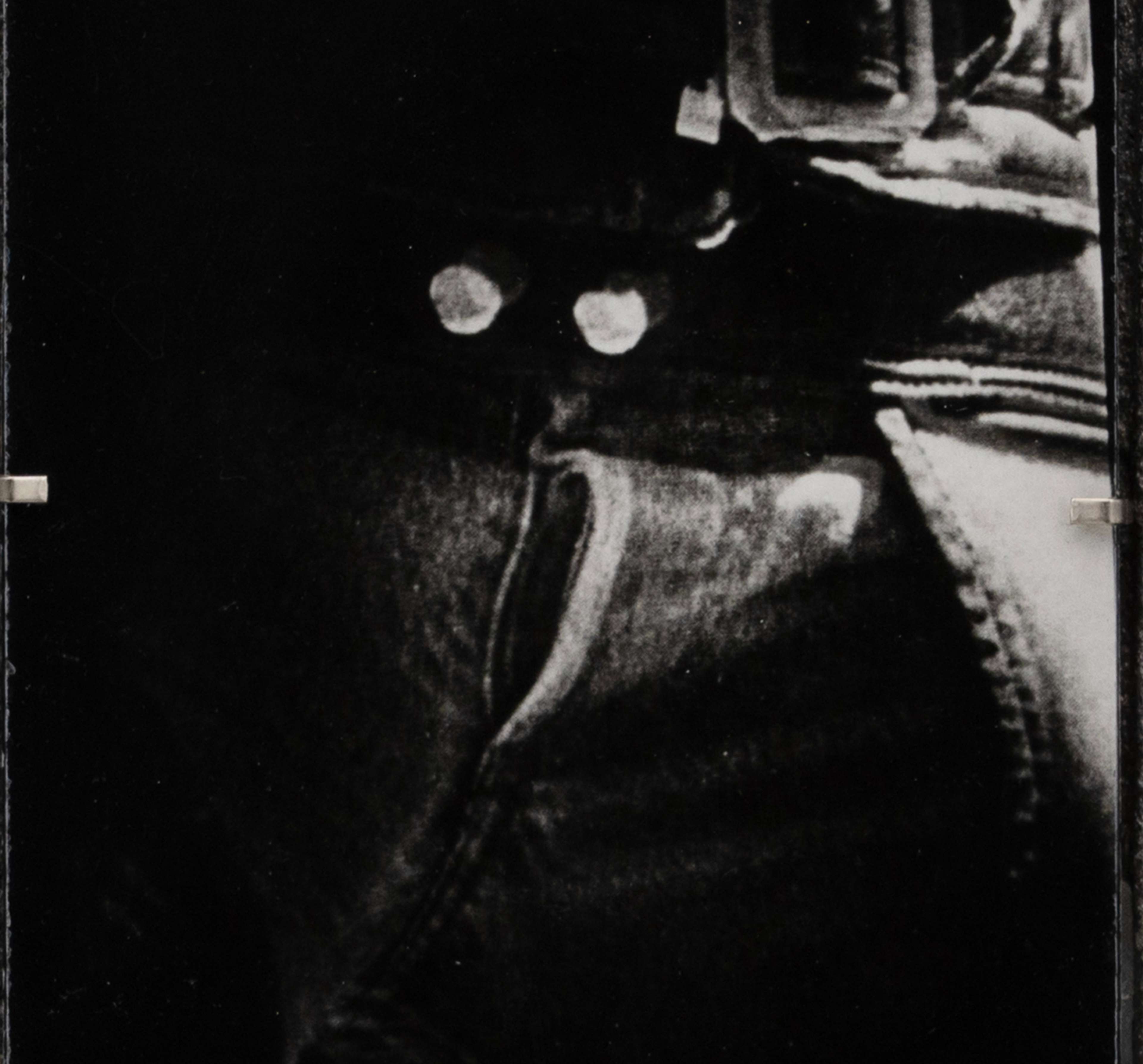
In summer 2025, Grize punctuated days of scanning and photocopying pages from On Our Backs at the San Francisco Public Library with repeated walks up and down Valencia Street. The area has undergone rampant gentrification since the 1980s; as she walked, she searched for features of the neighborhood which remained from fifty years prior: wrought iron grates, cement sidewalks, and errant marks scratched onto trees. In the resultant artworks, Grize integrated the embodied experience of walking Valencia Street with the images she scanned from On Our Backs. Grize’s (re)printing of the source photographs from photocopies purposefully degrades the image quality, granting each excerpt a smoky opacity. This effect also references the difficulties of accessing these materials through the compounding haze of censorship, homophobia, and time.
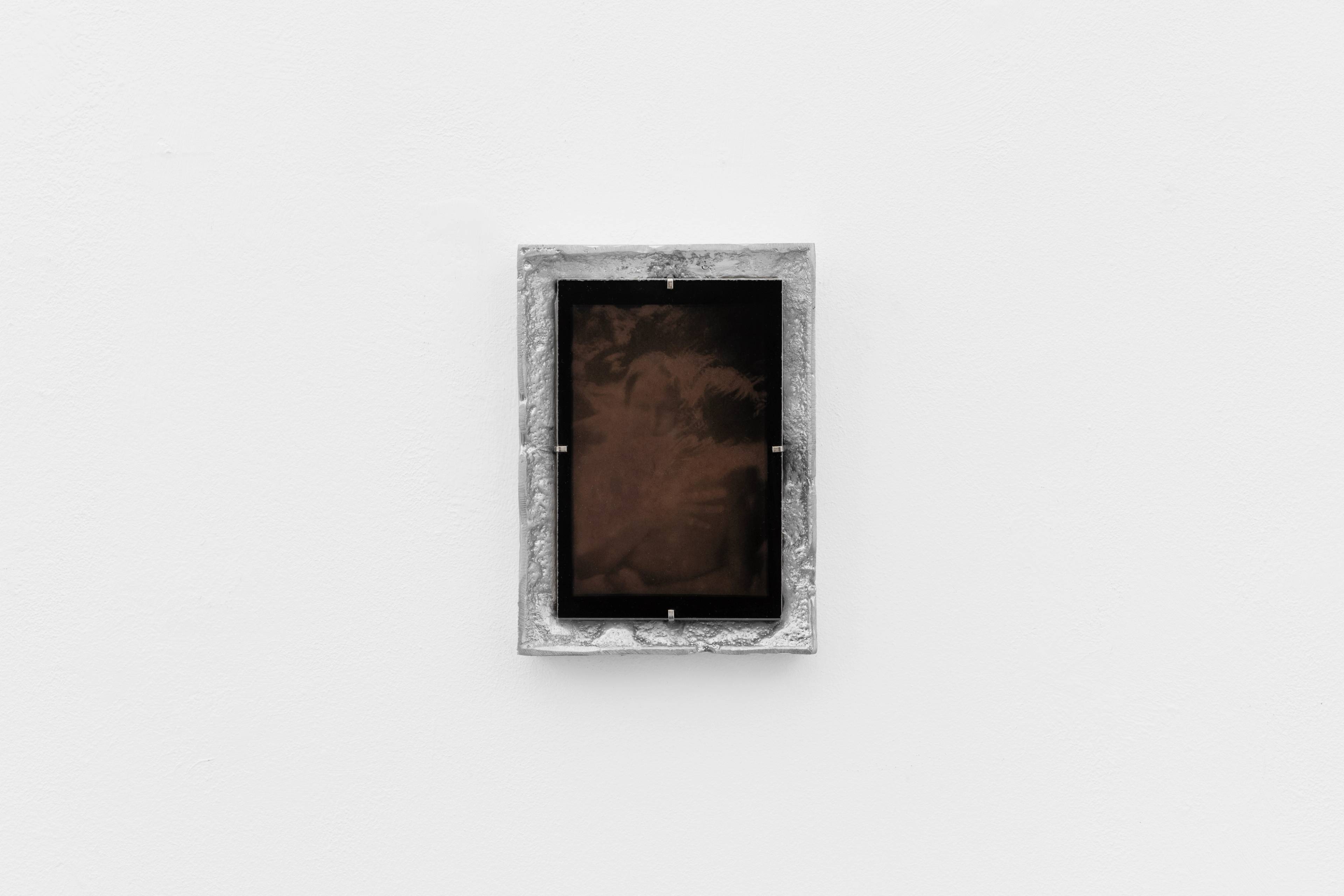
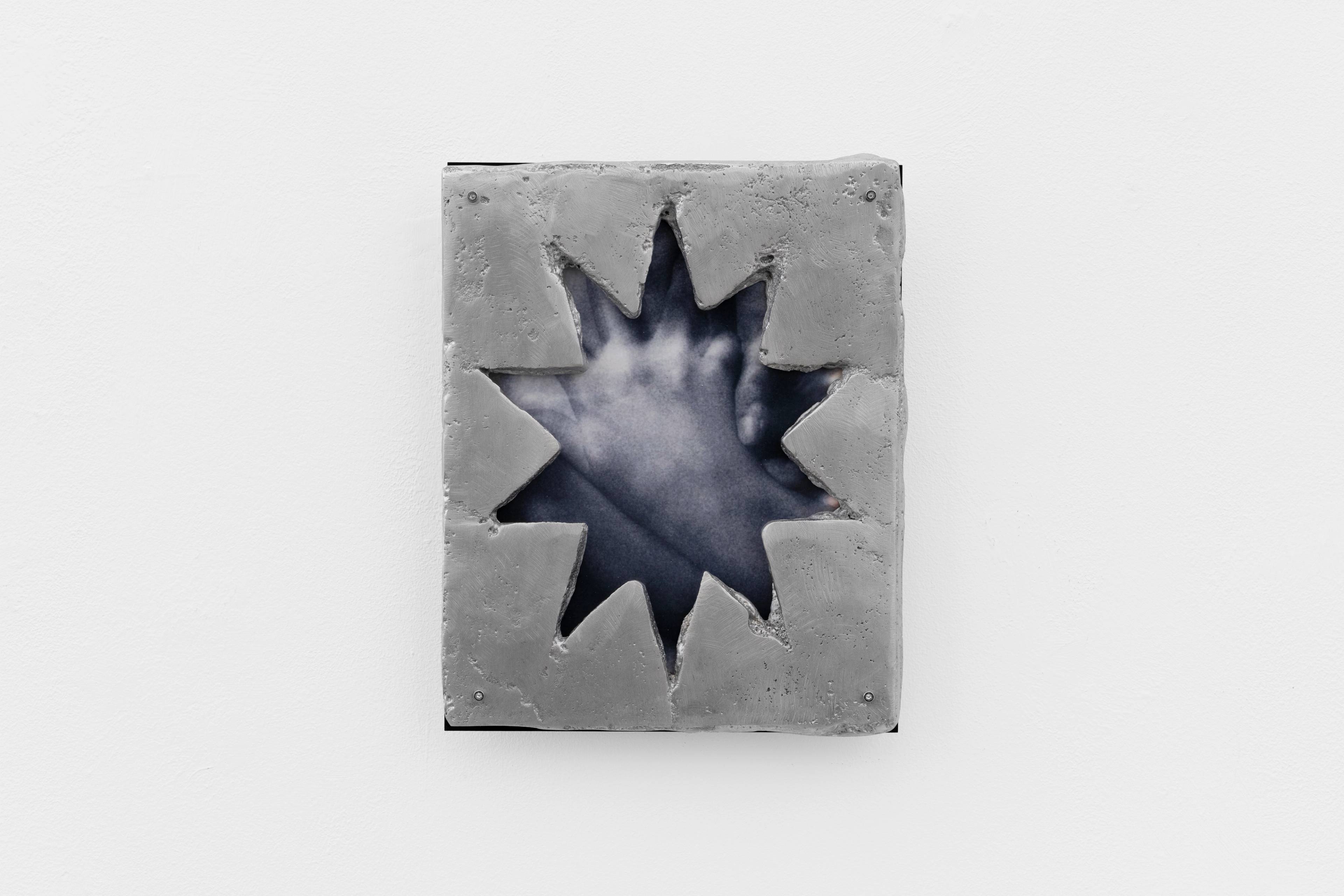
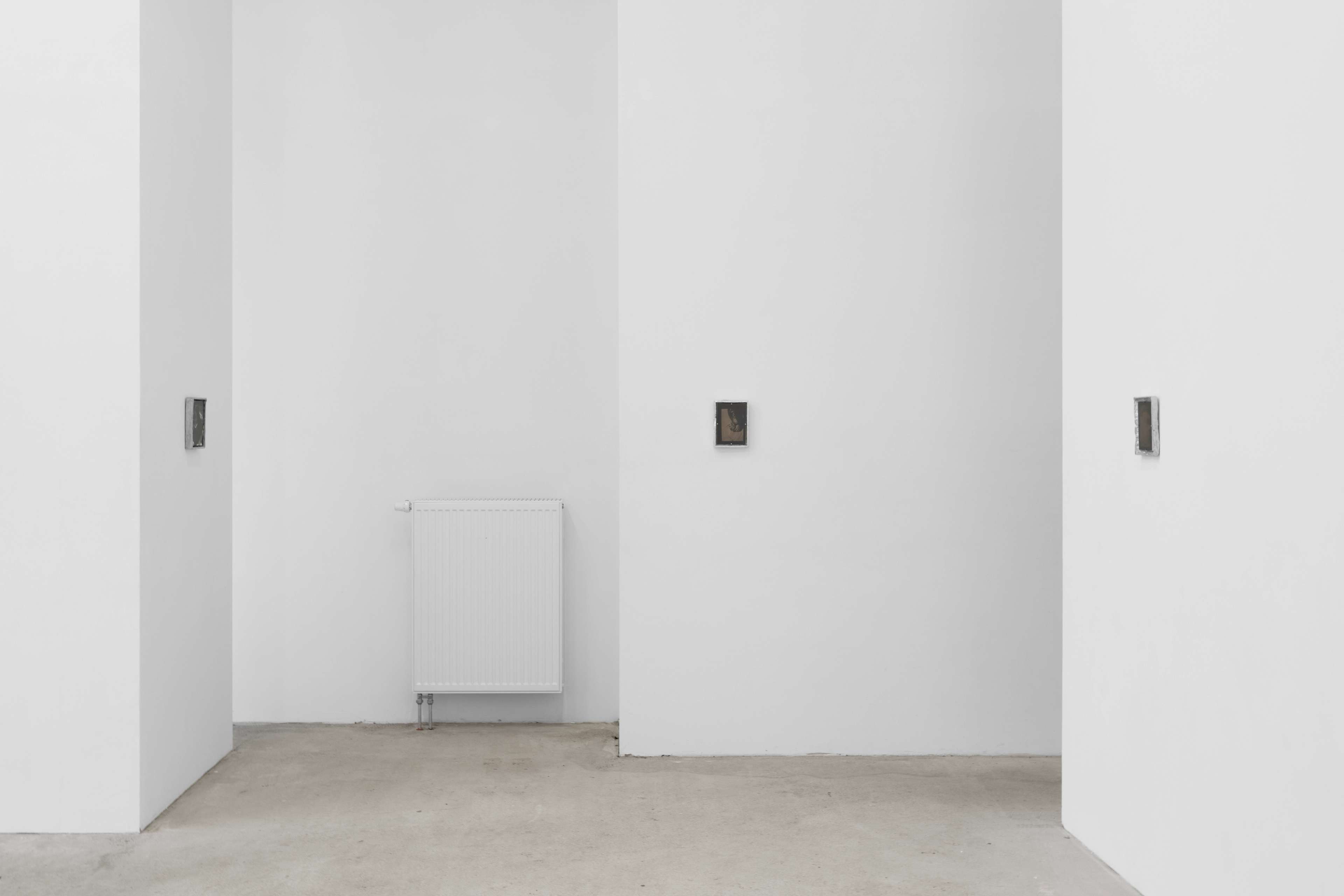
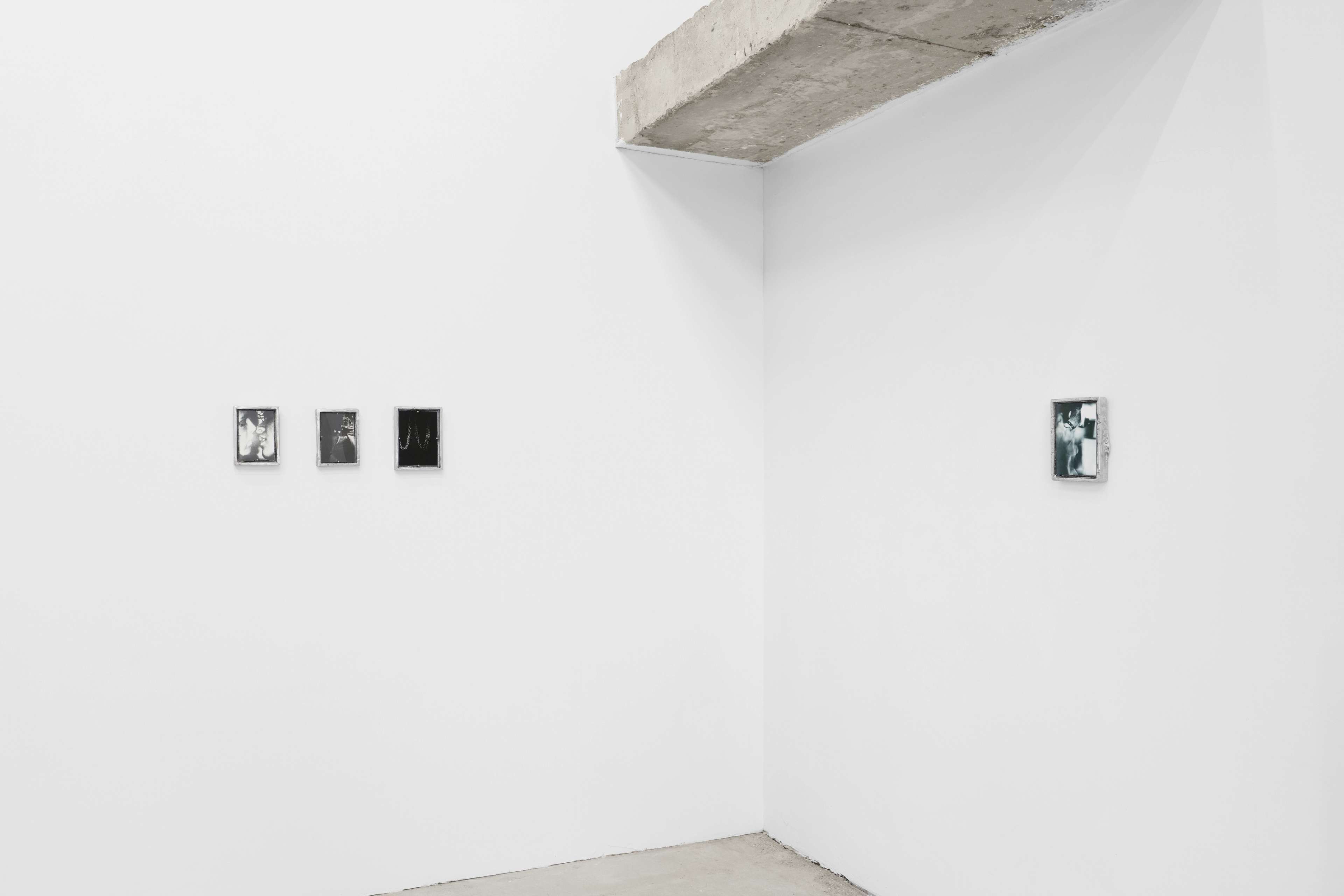
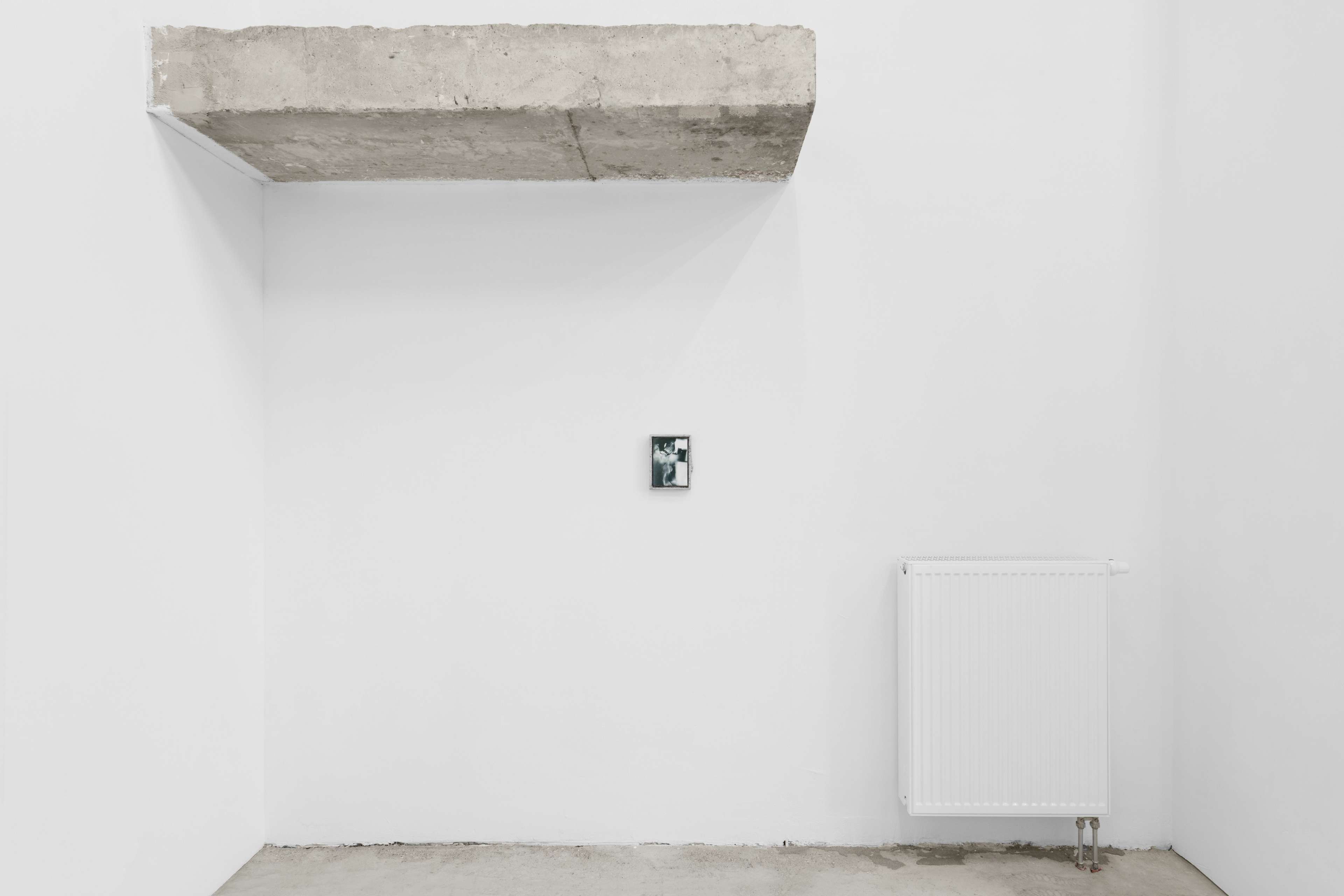
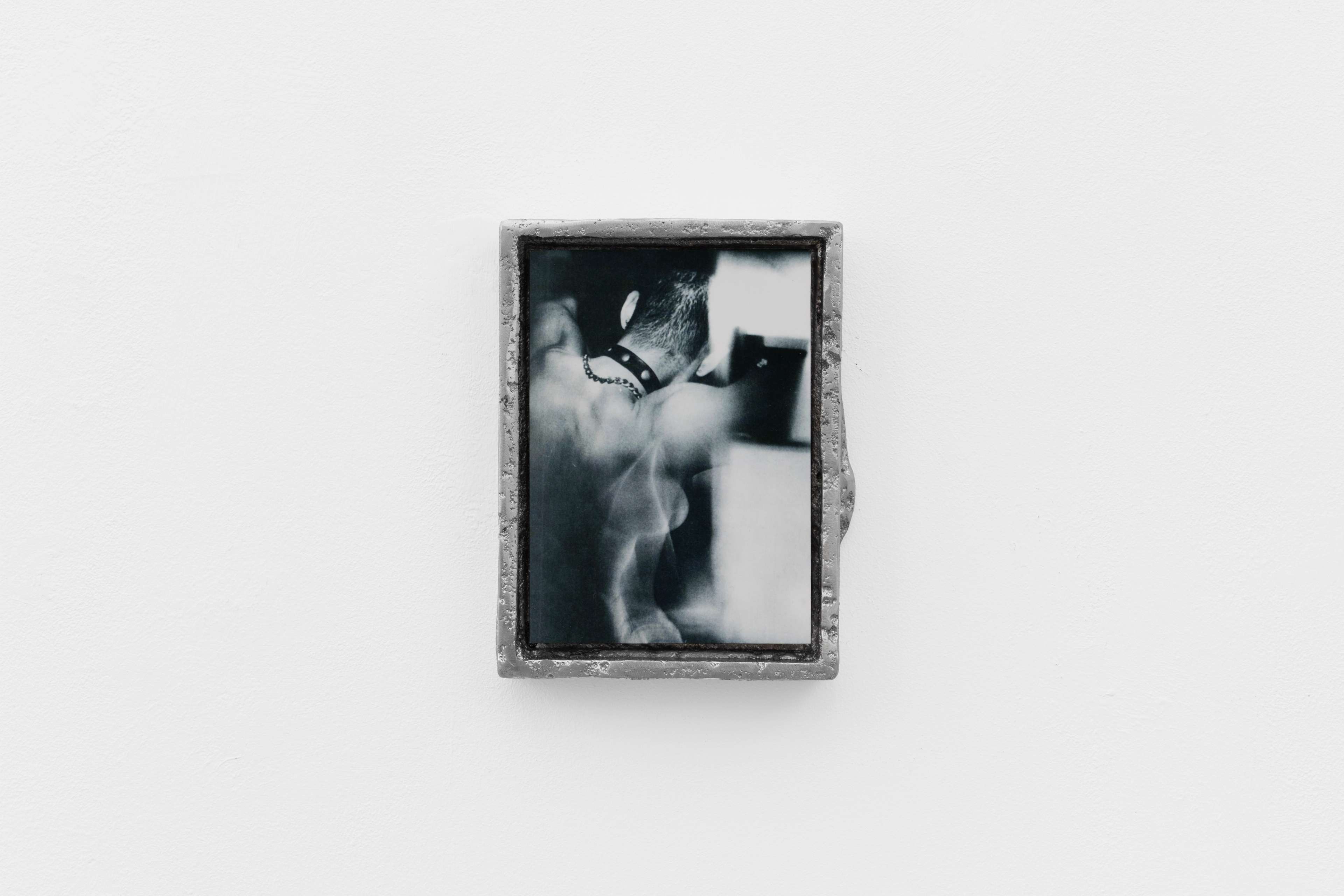
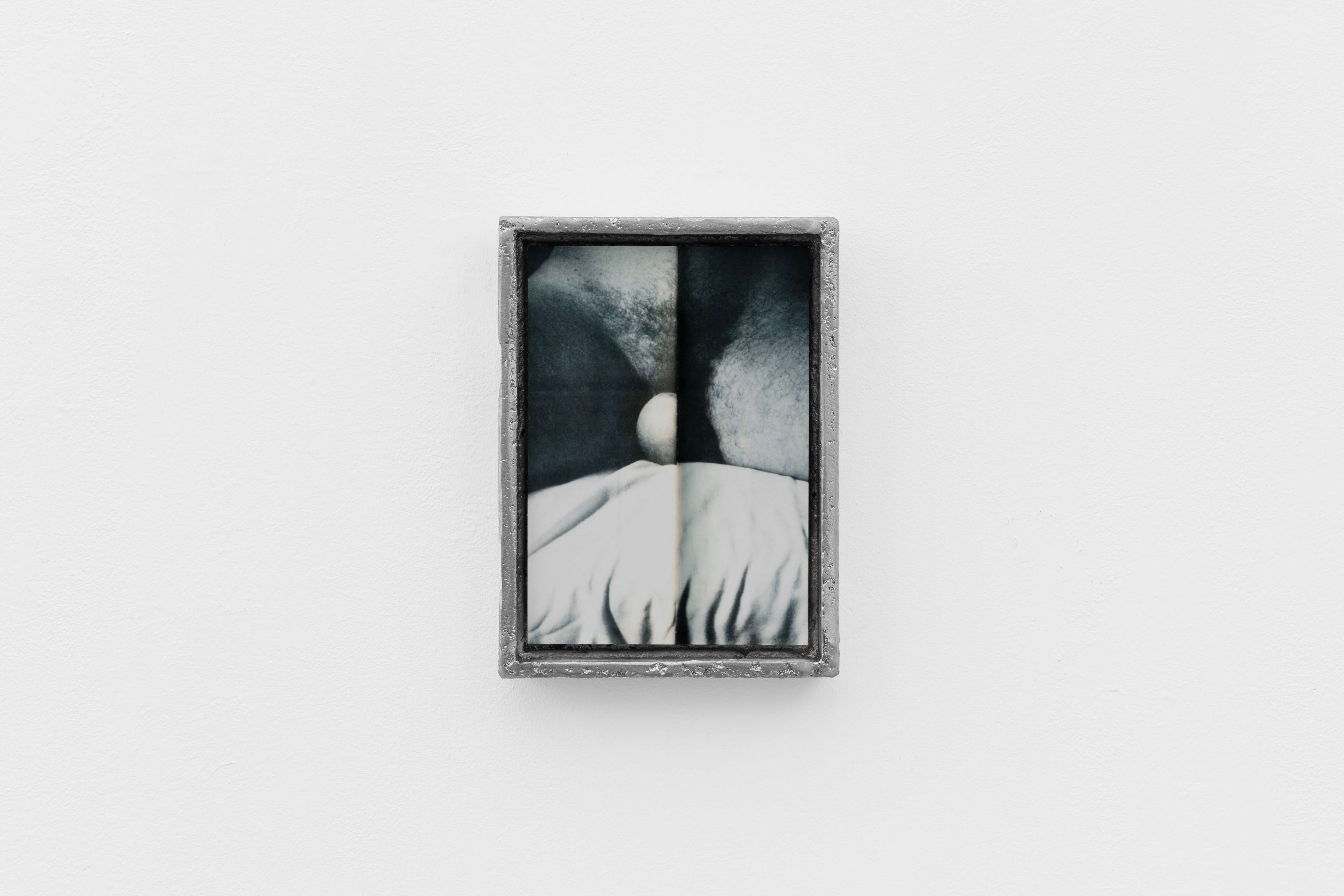
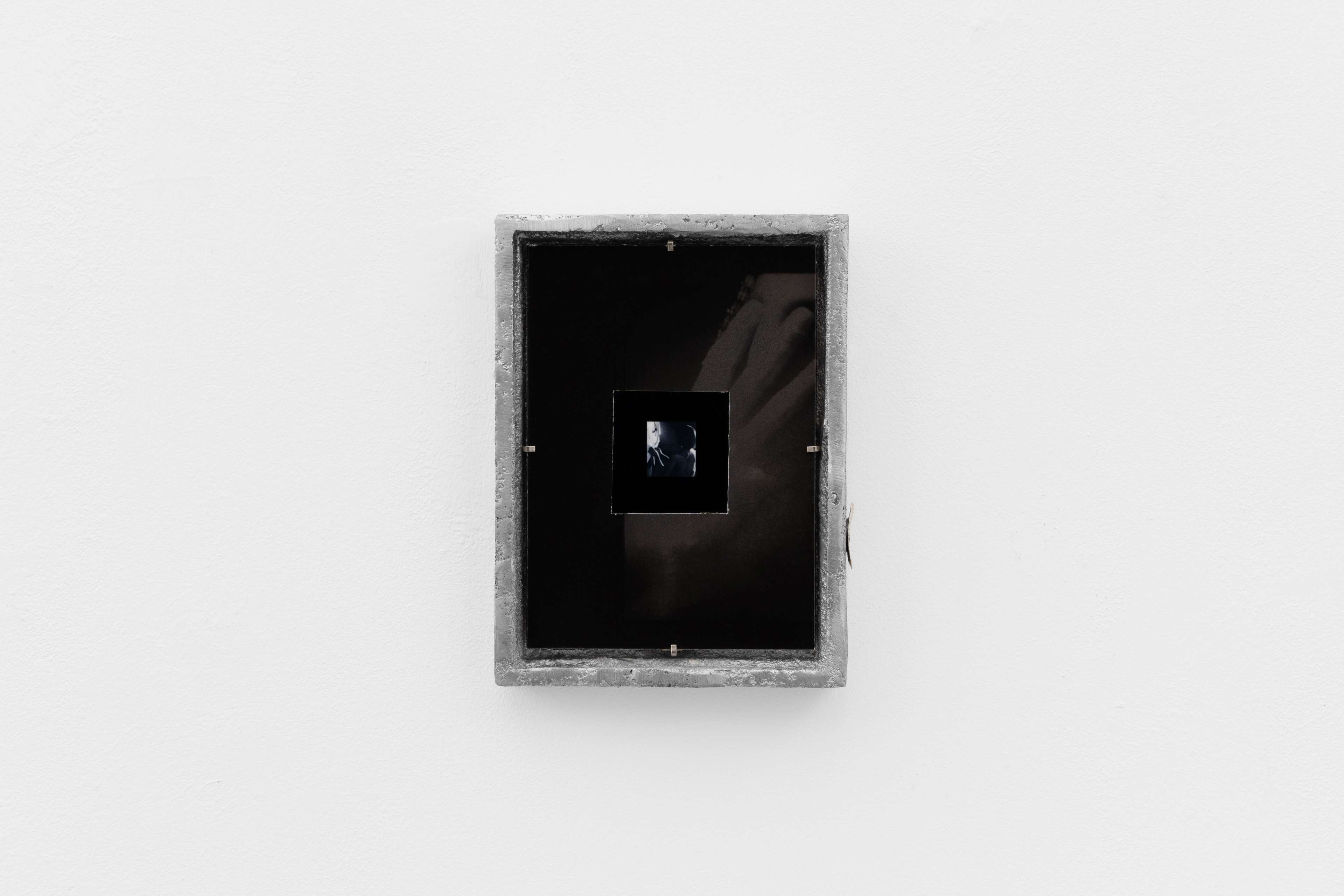
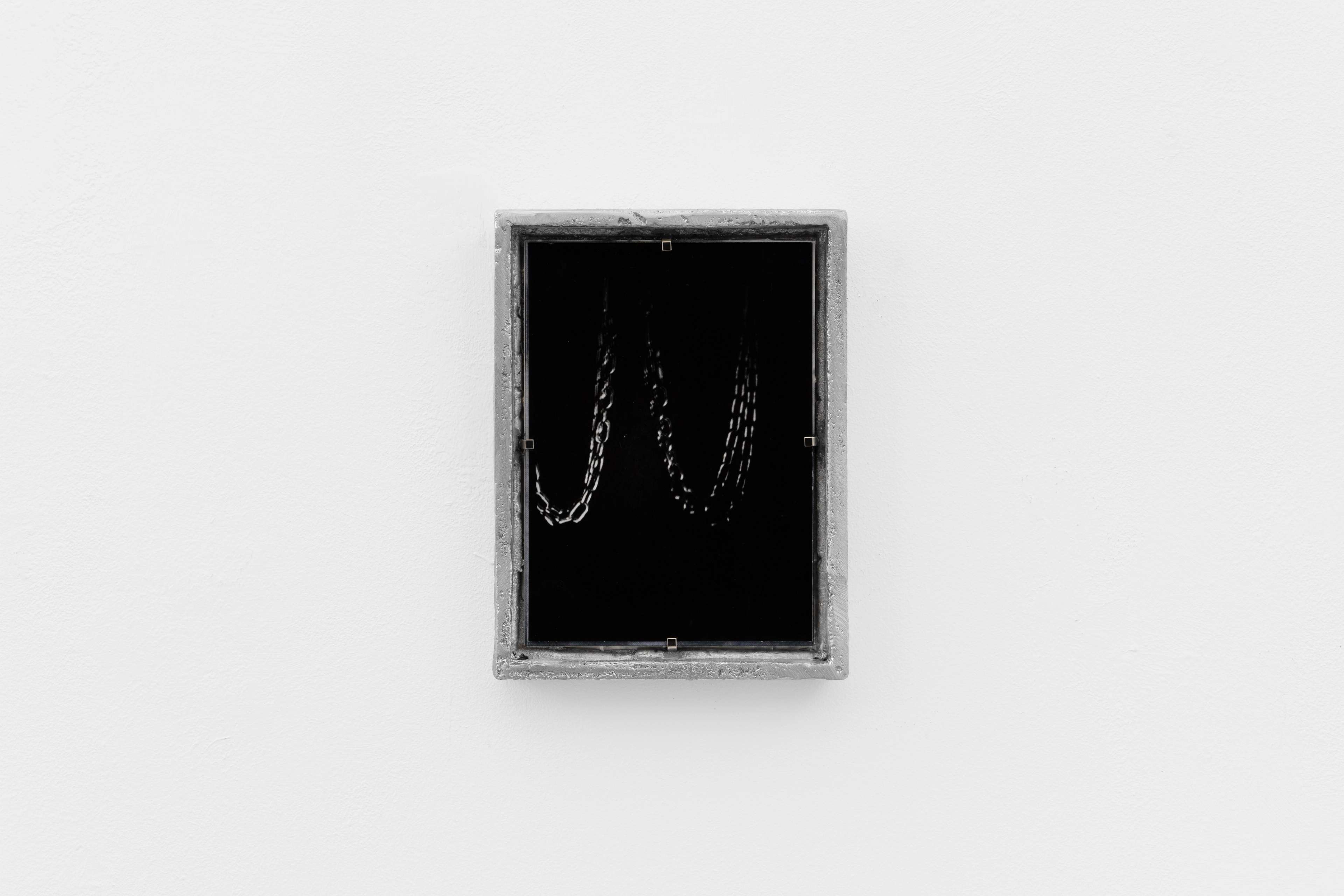
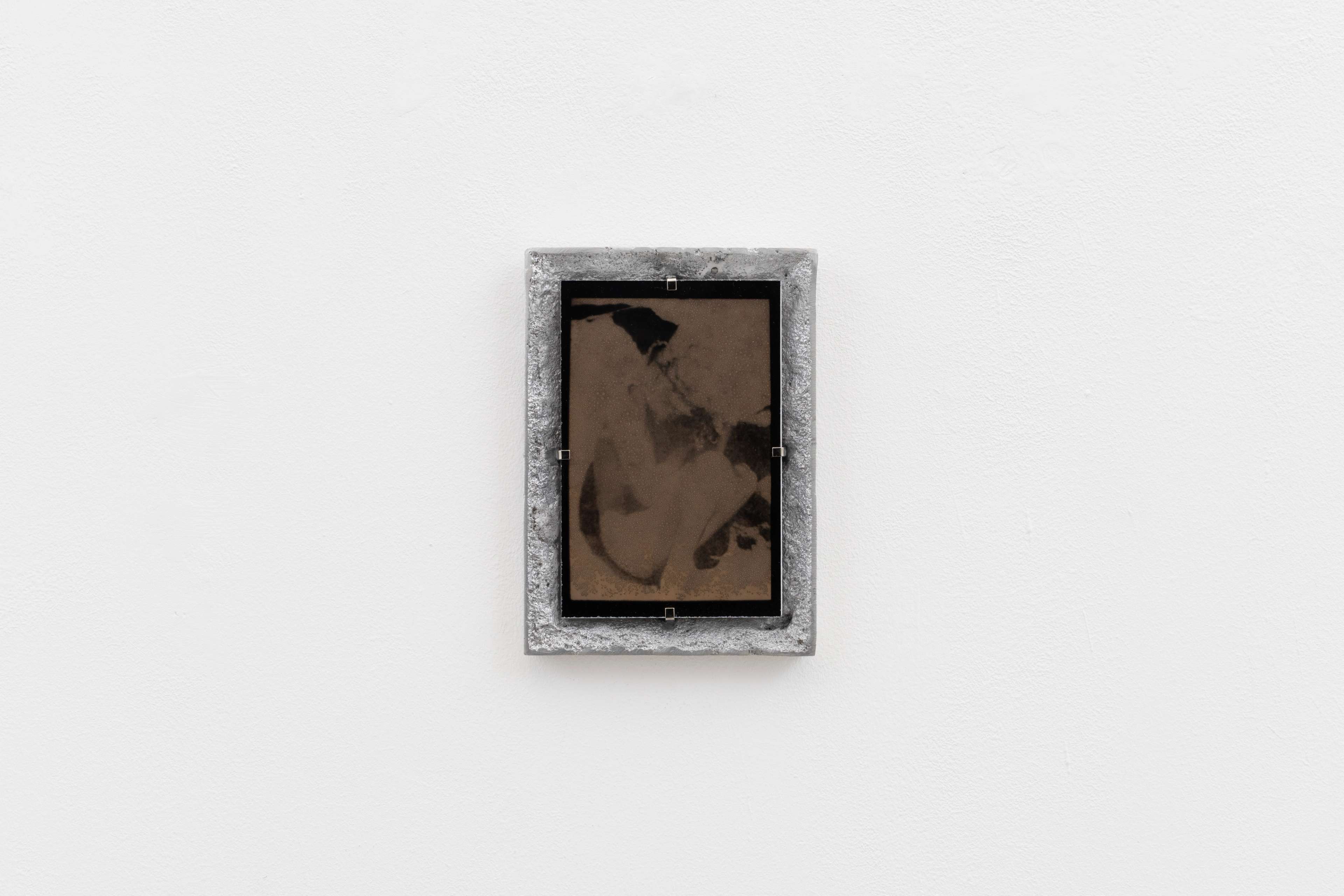
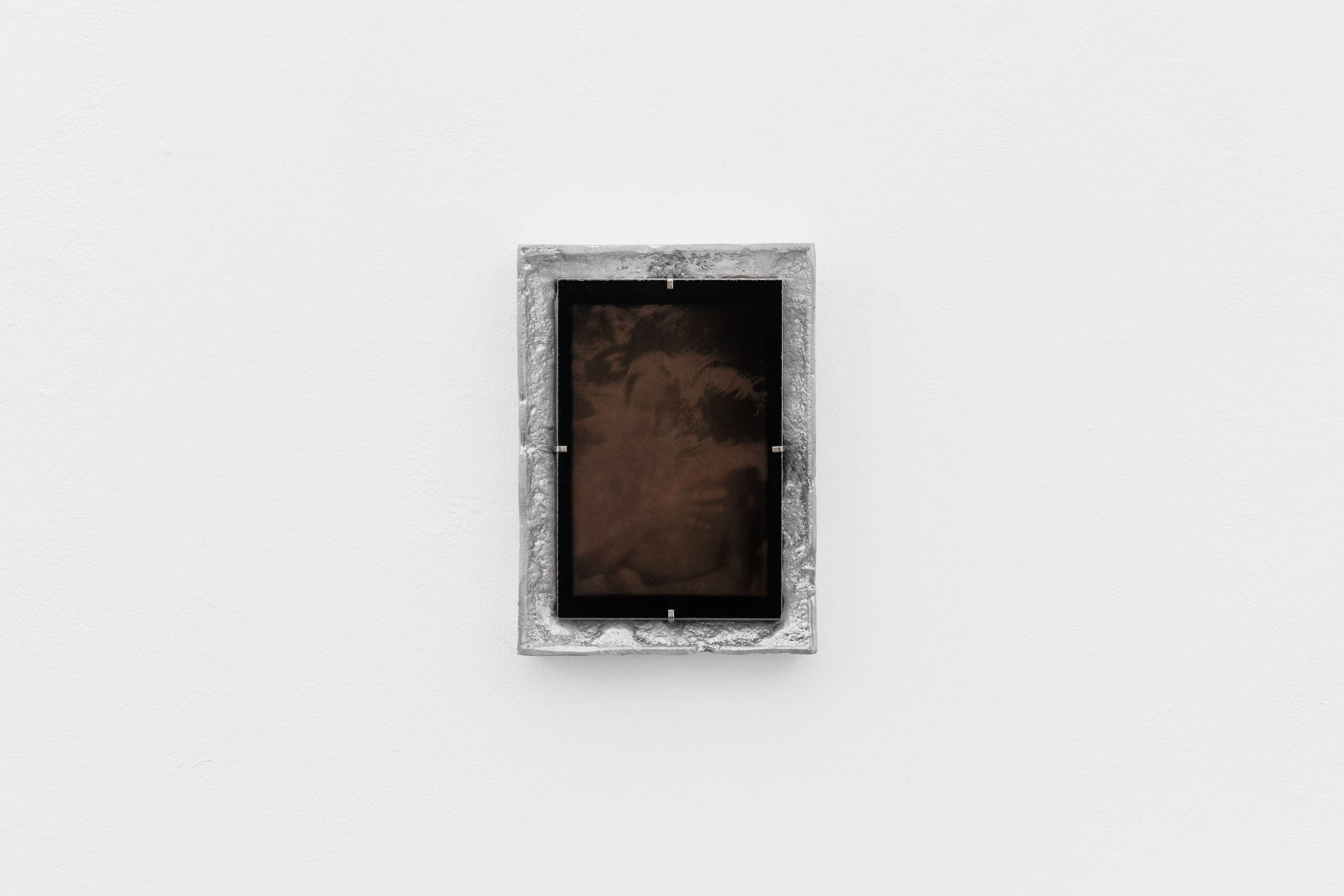
Grize intervenes in these histories of presence and absence materially—she imbues the space of Valencia Street and the pages of On Our Backs with a profoundly embodied physicality. Insisting on the necessity of manual methods even within mechanized processes, Grize cast Valencia Street’s features in aluminum metal molds. The most delicate features adorn the edges of the metal frames—their contours preserved in slender sheets of metal clay. This emphasis on tactility, presence, and the messy erotics of frottage, impression, and contact appears (though more subtly) in the photographic medium, too. Grize produced the photographs using contact printing, a method which places an image in direct contact with photosensitized chemicals to produce the photograph. Both the cast frames and the photographs they contain are relics of touch.
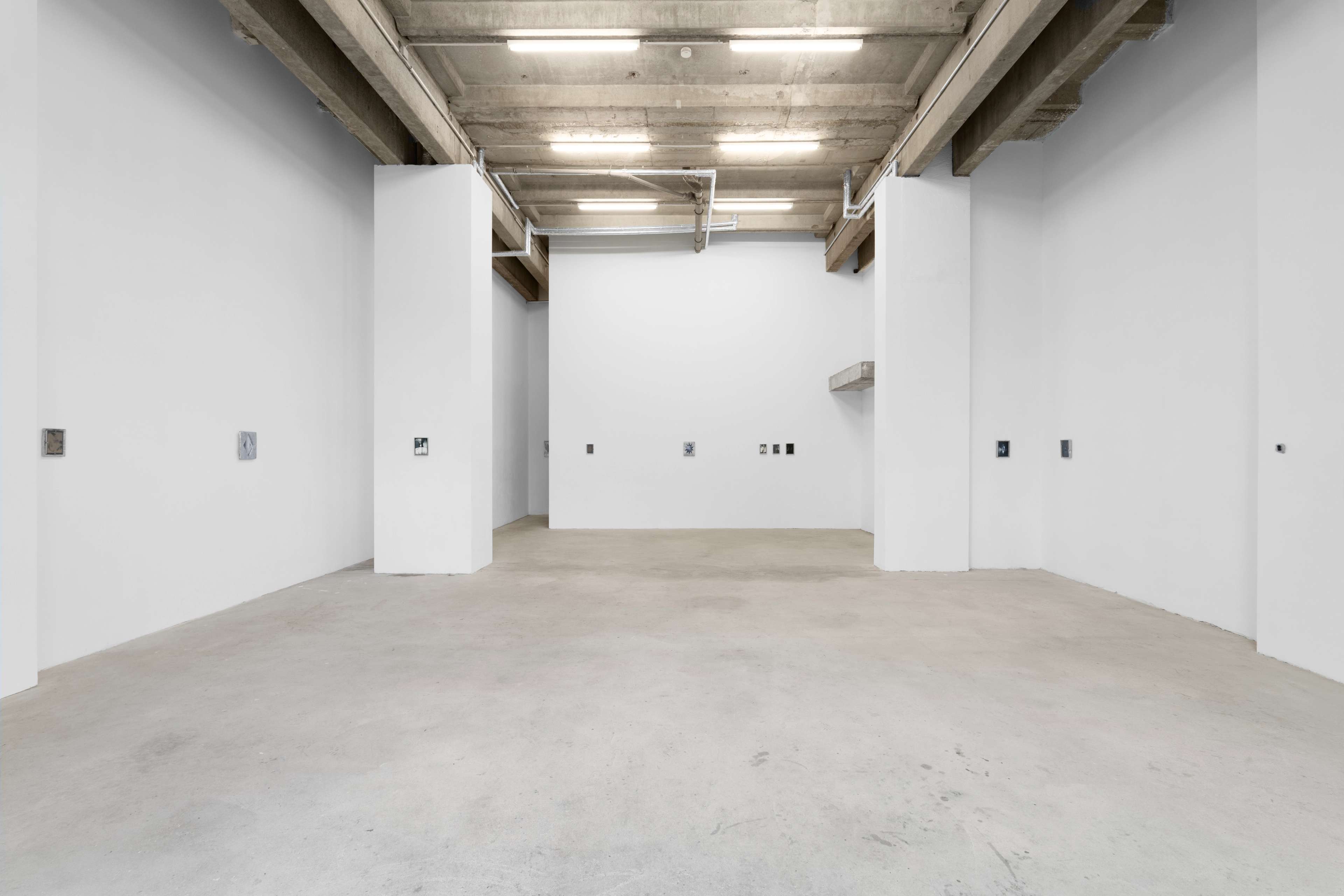
Shining silver frames, in some cases slender and delicate, in others heavy and rugose, cradle the photographs at their centers. In some cases, one photograph opens onto another, its glistening surface sliced away to reveal a second image underneath. Each photograph is sunken into the cast aluminum surface like jewels nestled into a setting. They conjure devices of recollection and veneration, like Byzantine icons and Victorian lockets, as well as more idiosyncratic, vernacular registers of residual presence—a penny thrown into a pond, lovers’ names carved into a tree, or an irreverent mark made in wet cement.
Each photographic fragment dilates on a single, crystalline detail: a belly button indenting an expanse of flesh; the back of a neck encircled with pearls; two faces bent at opposing angles, lips about to meet. In one photograph, two silver chains swing—silver is inside and outside, image and fact, represented and present. Articulating photography and sculpture’s shared indebtedness to metal, the artworks seamlessly integrate frame with photograph as coequal participants in the project of memory. What is photography if not images perpetually vying with remembrance, always striving to match the mind’s “memory-image”?What is casting if not metal remembering its mold?
Exhibition text by Nora Rosengarten
Installation Views
Artworks
Artist Biography
Marina Grize’s practice examines portrayals of sexuality in media, foregrounded in feminist and queer cultural histories. Working primarily with appropriated images translated through photographic processes, Grize unearths delicate moments of sensuality and tension, where touch, presence, and loss are hinted at, mirrored, or occluded.
Grize (*1987, United States) lives and works in Philadelphia. Her first solo exhibition with Sweetwater will take place in 2026. Grize’s work has been included in exhibitions at Sweetwater, Margot Samel, Adams and Ollman, and ICA San Diego. She received a BFA from SUNY Purchase.